
How to Choose the Best Supermarket Franchise for Your City or Town: A Complete Guide
- Oct 21, 2025
- 9 min read
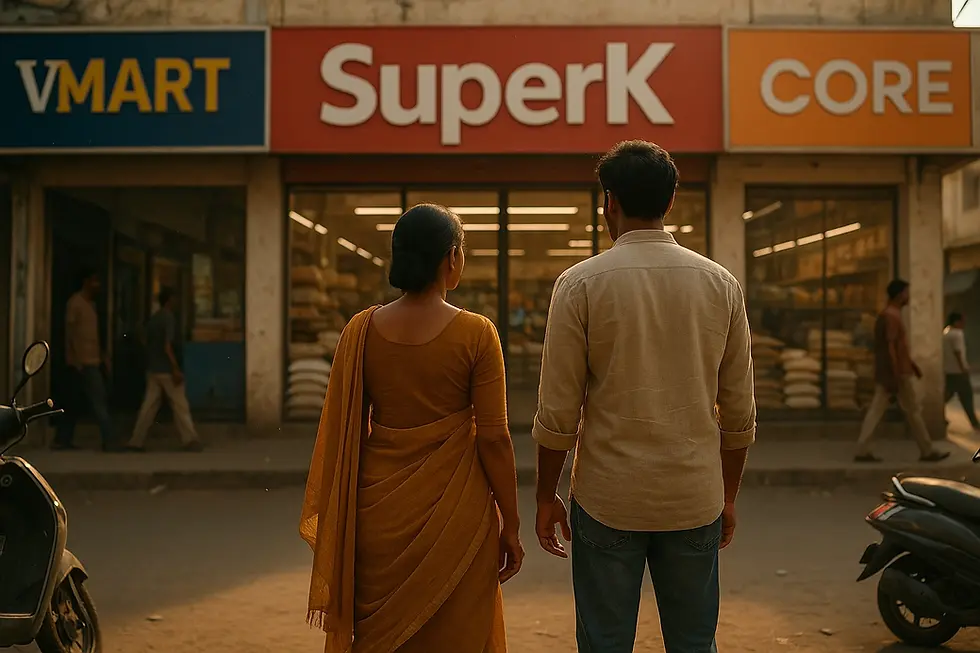
Thinking about kicking off a supermarket business? It's a massive undertaking, but honestly, picking the perfect franchise business for your area is what sets you up for success. We have to ask ourselves: how can we be absolutely sure our investment hits the bullseye, matching local demand and our personal goals? It all starts with deep diving into your local market's needs and demographics. We need to look at foot traffic, who else is competing, and what consumers in our city or town actually prefer.
Next, we must evaluate the franchise cost, the support offered, and the brand reputation. I've seen success stories where people prioritize locations near busy spots like schools, offices, or residential areas, that's how you guarantee a steady stream of customers. Taking the time for this careful research ensures you select a supermarket franchise that’s truly aligned with your community’s growth and your specific investment goals.
Key Takeaways
Choosing the best supermarket franchise starts with analyzing local market needs, demographics, foot traffic, competition, and consumer preferences to align with city growth and investment goals.
Understanding franchise business models - FOFO (franchise-owned, franchise-operated), FOCO (franchise-owned, company-operated), and COCO (company-owned, company-operated), is crucial for determining control, investment, and operational involvement.
Franchise models impact business operations and costs: FOFO requires hands-on management with higher operational expenses, COCO demands higher initial investment with centralized control, and FOCO offers a balance between control and support.
Franchise costs vary widely, typically ranging from $35,000 for small shops to over $1 million for full-scale supermarkets, including fees for setup, inventory, licenses, marketing, and ongoing royalties.
Financing options include SBA loans, conventional bank loans, franchisor financing, and alternative lenders; thorough budget planning and consulting accountants help manage startup and ongoing expenses effectively.
Market suitability assessment involves evaluating demographics, purchasing power, competitor presence, location accessibility, and community growth trends to ensure franchise success and sustainable profitability
Understanding Supermarket Franchise Business Models
Look, if you’re aspiring to own a franchise business, you've got to realize that not every supermarket business setup operates the same way. The basic structure of the franchise model dictates everything, from how hard you work every day to whether you’ll be profitable long-term. We need a solid overview of the operational and ownership structures in this sector. Choosing the right retail franchise structure literally decides how much control and responsibility you’ll have.
Common Types of Supermarket Franchise Models
Supermarket franchise options mainly differ based on who holds the keys and who runs the show. What are the main franchise model choices for a grocery franchise?
The main franchise model options for a supermarket franchise include:
COCO (Company Owned, Company Operated): The company owns it, the company runs it. Great for centralized control, but expect a higher initial investment.
FOFO (Franchise Owned, Franchise Operated): You, the franchisee, own and run the store. This grants maximum autonomy, but that means maximum hands-on management.
COFO (Company Owned, Franchise Operated): A model where the company owns the asset, but you handle the daily grind.
FOCO (Franchise Owned, Company Operated): You own the franchise license, but the company handles the operations. This is often the sweet spot, balancing control with crucial support.
So, which specific grocery franchise setup is going to work for you? It genuinely depends on how involved you want to be, how much capital you have, and the specific dynamics of your local market.
How Franchise Models Impact Your Business Operations and Costs
Listen, the exact franchise business model you settle on totally shapes your control and costs. Take FOFO - it demands deep, hands-on management and gives you autonomy, but guess what? It usually means higher labor and operational franchise cost. COCO, however, centralizes everything, cutting down on your daily workload but definitely requiring a significantly higher initial investment.
We can't forget the impact on the franchise cost list! Imagine if you could partner with a company like SuperK. They use an innovative "inventory-light" franchise business model. This approach dramatically slashes the traditional initial capital commitment, which might normally run ₹30 lakhs or more, down to just ₹5 lakhs to ₹15 lakhs for a full setup. Careful consideration of these trade-offs is necessary to align your budget, management style, and growth expectations for sustainable profitability.
Evaluating Franchise Costs and Investment Requirements
Okay, let's talk about the dollars and cents. We know that franchise cost is incredibly varied. A full-scale supermarket often requires over $1 million, but a small grocery store franchise can start around $35,000. Breaking these figures down is absolutely critical for launching your supermarket business successfully. We're not just looking at initial fees and setup costs; we must factor in recurring charges like royalties, marketing fees, and any "hidden" expenses. Understanding this complete picture helps prevent surprises and ensures your investment aligns perfectly with your financial capacity.
Understanding the Franchise Cost List: What to Expect
When you're poring over that franchise cost list, you'll typically spot several key components:
Initial franchise cost or fee.
Store setup and equipment costs.
Initial inventory purchase (especially crucial for a grocery shop franchise).
Licenses and permits.
Marketing and training fees.
Ongoing royalties and technology fees.
I've seen initial investments swing wildly, maybe from $50,000 to over $400,000+, purely depending on the brand and size. We must, without exception, review the Franchise Disclosure Document (FDD) for that detailed cost breakdown before committing.
Financing Options and Budget Planning for Your Franchise
Getting the financing squared away is what gives us the confidence to really launch our supermarket franchise. What are the common options for franchise business financing? We're talking conventional bank loans, SBA loans, franchisor financing, or maybe alternative lenders. And budget planning? Don't skip it! Start by estimating the startup costs (fees, equipment, inventory) and then forecast the ongoing operating expenses. My personal advice: consult an accountant specializing in franchises. They can help us craft realistic financial forecasts, guaranteeing we manage cash flow effectively and avoid costly surprises during those critical early operations.
Assessing Market Suitability for Your Supermarket Franchise
Our ultimate success truly rests on how well we conduct a market assessment. We have to evaluate local demographics, residents' purchasing power, and their specific shopping habits to ensure our supermarket franchise offerings are spot on. A smart franchise business owner also studies competitor presence, not just to see who’s there, but to identify potential saturation or, even better, market gaps. Considering accessibility and community growth trends can reduce your risk and significantly enhance profitability. This step is non-negotiable for any successful retail franchise.
Key Factors to Consider in Your City or Town
So, what exactly are the key, non-negotiable factors for a thriving supermarket business?
Local Demographics: Focus on areas with high population density and sufficient disposable income.
Income Levels: The residents' purchasing power determines exactly what products we should stock.
Competition Intensity: How many other grocery store franchise options are vying for the same customers nearby?
Accessibility: Don't forget parking, public transit, and co-tenancy (other stores nearby). They all dramatically boost foot traffic.
Paying attention to these factors ensures your franchise business truly meets community needs and maximizes growth potential.
Conducting a Competitor Analysis and Identifying Market Gaps
Conducting a thorough competitor analysis is how we uncover unique opportunities to make our supermarket franchise stand out. We must identify direct rivals, assess their pricing, check their product range, and definitely read their customer feedback.
Next, we hunt for those crucial market gaps: what are customers asking for that no one locally is delivering? Maybe it's superior service, or maybe it's specialized product lines (SKUs). I've seen savvy retail franchise owners use this insight not to get into messy price wars, but to tailor their offerings to attract unmet demand. This differentiated franchise business model approach gives us the competitive edge we need in the supermarket business.
Comparing Supermarket Franchise Options
Once you've narrowed down your choices, how on earth do you objectively compare different grocery franchise brands? We need clear criteria to make that evaluation.
We should evaluate these key factors:
Investment range and fees.
Brand reputation and established customer loyalty.
Quality of support and training offered.
Market demand and territory exclusivity.
Imagine if you were comparing a top-tier, established supermarket franchise with massive local demand; that brand probably justifies higher fees. Conversely, an emerging franchise business model might offer better one-on-one support but require you to put in more effort developing the market. We choose based on our personal aspirations and available resources.
Brand Reputation and Market Presence
A stellar brand reputation isn't just nice to have; it's the absolute foundation for customer trust and loyalty. Consistent quality, great service, and unified branding across every location are what reinforce that market presence. When evaluating, we should prioritize supermarket franchise options that have proven positive reviews and super clear brand guidelines to ensure immediate recognition in our city or town. Engaging in local marketing and upholding brand integrity are crucial for attracting steady customers and securing that competitive edge.
Support and Training Provided by the Franchisor
Please, don't ever underestimate how crucial comprehensive training and ongoing support are! They are vital for franchise business success. Most franchisors provide multi-week programs covering everything: managing staff, controlling inventory, marketing, and handling daily operations. Continuous assistance should include mentorship, coaching, and access to proprietary tech tools. For example, SuperK offers 24/7 customer support and extensive guidance, covering everything from site selection and setup to marketing assistance. We absolutely must evaluate franchisor support carefully; it genuinely reduces risks and significantly boosts our supermarket business growth potential.
Profitability and Return on Investment (ROI) Expectations
We have to keep our expectations realistic regarding the franchise cost and profits. Standard supermarket franchises often deliver slim profit margins, maybe just 1–5%. Breaking even usually takes 12–24 months. After the initial ramp-up, you might anticipate an annual ROI around 15–30%, with EBITDA margins near 15–20%. Excellent cost control and picking an optimal location are critical.
While a 3–4 year payback period is typical, some innovative franchise business model concepts, like SuperK’s inventory-light system, project an exceptionally high steady-state ROI of approximately 98% for franchisees. That really shows the power of leveraging technology and efficiency to maximize returns on a relatively low capital investment.
Making the Final Decision: Steps to Choose the Best Franchise
We must prioritize extreme due diligence before we commit to a supermarket franchise. Review the Franchise Disclosure Document (FDD) meticulously, focusing on legal history, fees, and financial performance. Compare the different franchise model options, the support system, and the market fit. Don't forget to talk to current franchisees for those real-world insights, and finally, align your choice with your management style, budget, and local market needs to ensure long-term success.
Reviewing the Franchise Agreement and Legal Considerations
The franchise agreement is a legally binding contract that clearly defines your obligations and rights, and it protects your investment. We need to review key terms like fees, term length, and territorial rights extremely carefully. Key steps include examining the FDD, making sure you comply with all local laws, and, most importantly, consulting a specialized franchise attorney for negotiation support and absolute clarity before you sign. This proactive step minimizes future franchise cost surprises.
Seeking Advice from Existing Franchisees and Professionals
Speaking with current franchisees gives you invaluable insights, stuff a corporate brochure won't tell you. They can reveal the day-to-day challenges, the true profitability, and how good the franchisor support really is. How do we connect with them? Try franchise events or referrals from the franchisor. Current partners, like Priya S., affirm that the training and support were vital for their store thriving and that the returns speak for themselves. Plus, seeking advice from franchise consultants, lawyers, and accountants who specialize in retail franchise operations helps us assess all the risks and avoid costly mistakes.
Planning Your Franchise Launch and Growth Strategy
Successful franchise business growth always requires a clear, step-by-step plan. Start with a soft launch; this is your chance to test operations and gather essential feedback. We need to prioritize local marketing immediately; think loyalty programs, promotions, and community events to rapidly build our customer base. You should intensely focus on staff training and operational efficiency for your supermarket business. Finally, plan ahead for potential multi-unit expansion by leveraging data-driven insights and franchisor support to scale sustainably over time.
Conclusion: Confidently Choose the Right Supermarket Franchise for Your City or Town
Choosing the right supermarket franchise is about finding that perfect match: one that fits your local market, your budget, and your specific management style. Our focus should be on deep market research, fully grasping those different franchise model options, and meticulously evaluating all the associated grocery store franchise costs and support structures. By talking to legal experts and current franchisees, we drastically reduce our risk. With careful planning and informed decisions, you can confidently launch a successful supermarket franchise tailored precisely to your city or town’s unique needs.
FAQs
1. What should I consider before choosing a supermarket franchise?
Analyze your city’s demographics, competition, and growth potential. Compare franchise models, investment costs, and brand support to find the best fit for your goals.
2. What are the main supermarket franchise models?
The key models are FOFO, FOCO, and COCO - each offering different levels of ownership, control, and operational involvement.
3. How much does it cost to open a supermarket franchise in India?
Costs range from ₹30 lakhs to ₹8 crores, depending on store size, brand, and location. Include fees, setup, inventory, and marketing in your budget.
4. How can I finance my supermarket franchise?
You can fund your franchise through bank loans, franchisor financing, or MSME schemes, ensuring proper cash flow planning and cost control.
5. How profitable is owning a supermarket franchise like SuperK?
A SuperK franchise can yield 15–30% ROI annually after 1–2 years, depending on location, management, and market demand.


Kroger customers share detailed feedback on the kroger.com/feedback page about service quality, product freshness, store cleanliness, checkout speed, and staff support. These survey responses help Kroger measure customer satisfaction, identify areas for improvement, and enhance shopping experiences across its supermarket network.